Introduction
In today's world, where medical care is developing swiftly, the importance of specialized training in complex bowel care can not be overemphasized. Individuals coping with stomas or various other bowel-related problems frequently need customized support and administration methods. The introduction of programs like NDIS complex bowel care training has actually confirmed crucial in outfitting caregivers with the abilities they need to offer reliable treatment. This article will delve into different aspects of complex digestive tract care, highlighting how targeted training boosts self-confidence and skills among caregivers.
What Is Complex Digestive tract Care?
Complex digestive tract care includes a range of techniques targeted at managing conditions that influence the bowel. This consists of caring for people with stomas, making sure correct hygiene, and implementing nutritional modifications. Comprehending the intricacies of bowel care management is necessary for those who supply support to people with intricate needs.
Why Is Specialized Educating Necessary?
Providing appropriate treatment calls for a complete understanding of clinical conditions, procedures, and emotional support methods. Specialized training prepares caretakers to handle emergency situations, take care of difficulties efficiently, and guarantee that patients obtain the best feasible top quality of life.
Understanding Stomas: What Is a Stoma?
A stoma is a surgically created opening on the abdomen that permits waste to leave the body when regular digestive tract function is compromised. It can result from various clinical conditions such as cancer cells, inflammatory bowel illness (IBD), or traumatic injury.
What Is an Ostomy?
An ostomy describes the procedure that develops a stoma. Ostomies are often classified into three kinds:
- Colostomy: Entails diverting component of the colon to an outside pouch. Ileostomy: Entails drawing away the ileum (the last part of the little intestine). Urostomy: Assists in pee drain when bladder feature is impaired.
The Value of Stoma Care Training for Carers
Effective stoma care training outfits caretakers with knowledge concerning maintaining tidiness, avoiding skin irritability, and acknowledging indications of infection or complications.
Key Facets Covered in Stoma Care Training
Hygiene Practices- Proper cleansing techniques Preventive measures for skin health
- Selecting the ideal pouching system Changing pouches without discomfort
- Dietary considerations post-surgery Managing gas and odor concerns
- Understanding patient anxiety Facilitating open communication
Exploring Complex Bowel Care Courses
A structured course on complex bowel care covers both theoretical expertise and functional abilities crucial for effective caregiving.
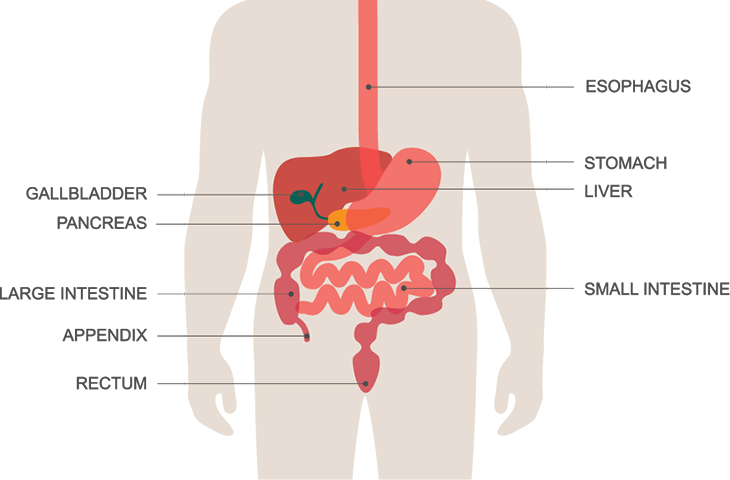
Components of a Comprehensive Complex Bowel Care Course
- Understanding gastrointestinal anatomy Recognizing signs and symptoms of complications Practical demonstrations on pouch changes Role-playing situations for improving interaction skills
NDIS Complex Bowel Care Training Overview
The National Special needs Insurance Plan (NDIS) provides funding for people requiring recurring support as a result of disabilities, consisting of those related to intricate bowel needs.

Benefits of NDIS Financing for Bowel Treatment Training
- Financial help for caretakers seeking professional development. Access to approved courses customized to details needs. Enhanced knowledge leads to enhanced individual outcomes.
Building Self-confidence in Complex Bowel Care Via Targeted Training
Confidence in caregiving originates from thorough education and practical experience. By taking part in targeted training programs like those supplied via NDIS, caretakers can improve their abilities significantly.
How Does Targeted Educating Boost Confidence?
Knowledge Acquisition- Understanding medical terminologies related to bowels help interaction with health care providers.
- Hands-on experience boosts self-assurance when carrying out jobs such as changing ostomy bags.
- Learning how to manage tension during emergency situations improves psychological resilience.
Bowel Care Management Techniques
Effective administration involves not only technological skills but likewise continuous evaluation and modification based upon individual client needs.
Key Techniques Utilized in Bowel Treatment Management
Regular assessments of stoma condition. Dietary adjustments based on individual tolerance. Collaborating with healthcare professionals for holistic approaches.Challenges Encountered by Caregivers in Complicated Digestive Tract Care
Caring for individuals with intricate bowel requires presents unique obstacles that require cautious navigation.
Common Challenges Run into by Carers
- Emotional stress due to client dependency Difficulty accessing ample sources or information Navigating insurance policy or funding complexities
FAQs
1. What is ostomy care?
Ostomy care includes taking care of an ostomy site by making certain cleanliness, avoiding skin inflammation, and keeping track of wellness changes related to it.
2. Why is digestive tract care important?
Proper bowel treatment is important for keeping health, preventing infections, and ensuring comfort for individuals dealing with problems affecting their bowels.
3. Just how can I become accredited in complex bowel care?
You can enroll in recognized courses focusing on complicated bowel administration through organizations identified by NDIS or appropriate health care authorities.
4. What need to I include in my stoma care toolkit?
Your toolkit must have adhesive eliminators, protective creams, pouches compatible with your client's stoma type, disposal bags, and training materials.
5. How do I attend to diet plan issues after ostomy surgery?
Consultation with a dietitian focused on ostomy nutrition bowel care management can assist tailor dietary plans that fit specific choices while resolving digestive system changes post-surgery.
6. Can I obtain economic help for going to bowel care courses?
Yes! If you are eligible under NDIS or various other governmental programs, you might obtain financial aid covering program costs related to complex bowel care training.
Conclusion
Building self-confidence in complex bowel care via targeted training is a vital step towards enhancing the lifestyle for those needing specific assistance as a result of their conditions. With well-rounded education and learning concentrated on practical skills, emotional knowledge, and continuous evaluation techniques-- a caregiver becomes better equipped not simply practically however additionally psychologically prepared to face obstacles head-on while giving caring support to their patients.
This write-up acts as a detailed guide developed not just for potential trainees exploring instructional chances but likewise skilled caretakers looking for methods to fine-tune their current techniques within this important aspect of healthcare.